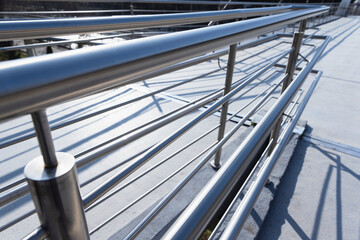
A staircase often becomes one of the most noticeable architectural features in a home or building. It connects levels, guides movement, and shapes how people experience the interior space. While many people focus on the steps themselves, another important element plays a major role in both safety and design. The railing that runs alongside the staircase can transform the entire appearance of the structure.
Metal railings have become a popular choice in modern architectural design because they combine strength, durability, and visual appeal. From sleek contemporary interiors to industrial-inspired spaces, metal stairway railings create a balance between function and style. Their clean lines and structural stability make them suitable for both residential and commercial environments. Understanding the role of Architecture Stairway Metal Railing highlights why it has become an important feature in modern building design. From enhancing safety to elevating the visual character of a staircase, metal railings offer practical and aesthetic advantages that contribute to a well designed space.
The Role of Stairway Railings in Architecture
Stairway railings are an essential safety component of any staircase. Their primary purpose is to provide support and stability for individuals as they move up or down the stairs. Without a railing, a staircase becomes significantly more dangerous, especially in high traffic areas or in homes with children and elderly occupants.
In addition to safety, railings also define the architectural boundaries of the staircase. They create a clear visual edge that separates the stairway from surrounding areas. This structural definition helps guide movement and improves the overall flow of the space.
Architectural railings also contribute to the visual identity of the staircase. The design, material, and shape of the railing can dramatically influence how the staircase integrates with the rest of the building’s design. A carefully designed railing can turn an ordinary staircase into a striking architectural feature.
Metal railings have gained popularity because they provide both structural reliability and design flexibility. They allow architects and designers to create staircases that are not only safe but also visually impressive.
Why Metal Is a Popular Choice for Stairway Railings
Metal has become one of the most widely used materials for stairway railings due to its strength and versatility. Unlike some materials that may weaken or deteriorate over time, metal railings maintain their structural integrity even under heavy use.
Durability is one of the key reasons metal railings are favored in architectural design. Metal can withstand daily wear, environmental exposure, and changes in temperature without losing its shape or stability.
Another advantage of metal railings is their adaptability to different design styles. They can be crafted into sleek modern forms, decorative patterns, or minimalist structures depending on the architectural vision.
Metal railings also allow for thinner structural elements while still providing strong support. This ability makes them ideal for open concept designs where maintaining visual openness is important.
Because of these qualities, metal railings are commonly used in both residential staircases and large commercial buildings.
Common Types of Metal Used in Stairway Railings
Several types of metal are commonly used in stairway railing construction. Each material offers unique properties that influence both the appearance and performance of the railing.
Steel is one of the most widely used metals for stairway railings. It provides exceptional strength and durability, making it suitable for heavy traffic environments. Steel railings can be finished in various ways to achieve different visual styles.
Stainless steel is another popular option known for its sleek appearance and resistance to corrosion. Its clean and polished surface often complements contemporary architectural designs.
Aluminum railings are valued for their lightweight properties and resistance to rust. This makes aluminum a practical option for both interior and exterior staircases.
Wrought iron is often used when decorative or ornamental railing designs are desired. This material allows intricate patterns and artistic shapes to be incorporated into the railing structure.
The choice of metal depends on the desired aesthetic, the environment where the railing will be installed, and the overall design concept of the building.
Design Styles for Metal Stairway Railings
Metal stairway railings can be designed in a wide range of styles that complement different architectural themes. In modern homes, minimalist metal railings are often chosen for their clean lines and understated elegance.
These designs frequently feature simple vertical bars or horizontal rods that maintain an open visual flow. The result is a staircase that feels light and contemporary.
Industrial style railings are another popular design option. These railings often incorporate exposed metal structures with darker finishes that emphasize raw materials and structural elements.
For more traditional or decorative spaces, ornate metal railings can be crafted with intricate patterns and curved shapes. These designs add a sense of artistry and craftsmanship to the staircase.
Combining metal railings with other materials such as wood or glass can also create striking architectural contrasts. For example, a wooden handrail paired with metal balusters blends warmth with strength, while glass panels framed by metal railings provide transparency and modern sophistication.
These design possibilities allow metal stairway railings to adapt to many different architectural environments.
Safety and Structural Benefits of Metal Railings
Beyond aesthetics, metal stairway railings offer significant safety advantages. The strength of metal allows railings to withstand pressure and provide reliable support for individuals using the staircase.
Well designed railings help prevent falls by creating a stable barrier along the edges of the stairs. Handrails provide an additional point of contact that helps users maintain balance while moving between levels.
Metal railings are also capable of meeting strict safety requirements in both residential and commercial construction. Their structural properties make them suitable for installations where safety regulations require strong and dependable materials.
Another benefit is the long term reliability of metal. Unlike some materials that may warp or crack over time, metal railings retain their structural stability for many years with proper maintenance.
These qualities make metal railings an important safety feature in modern architectural design.
Maintenance and Longevity of Metal Stairway Railings
One of the advantages of metal railings is their relatively low maintenance requirements. Most metal surfaces can be kept clean through regular wiping or occasional washing.
Protective coatings and finishes are often applied to metal railings to enhance their durability. These finishes help prevent corrosion, scratches, and other forms of wear that may occur over time.
Stainless steel and aluminum railings are particularly resistant to rust and environmental damage, making them suitable for outdoor staircases as well as interior spaces.
Periodic inspection helps ensure that railings remain secure and free from damage. Tightening loose fasteners or addressing minor surface wear helps maintain both the safety and appearance of the railing.
With proper care, metal stairway railings can last for decades while maintaining their structural integrity and visual appeal.
The Architectural Impact of Stairway Metal Railings
In many buildings the staircase acts as a central visual feature that connects different areas of the interior. The design of the railing can significantly influence how the staircase contributes to the overall architectural character of the space.
Metal railings provide a balance between strength and visual elegance. Their ability to form clean lines and open structures allows designers to create staircases that feel spacious and modern.
The contrast between metal railings and surrounding materials such as wood, stone, or glass can create striking visual compositions. These contrasts draw attention to the staircase as a design centerpiece.
By combining safety, durability, and style, metal railings enhance both the function and aesthetic value of architectural stairways.
Conclusion
Architecture stairway metal railings play an important role in shaping both the safety and visual impact of a staircase. Their strength provides reliable support for everyday use, while their design flexibility allows them to complement a wide range of architectural styles.
From sleek modern interiors to decorative traditional spaces, metal railings offer durability and elegance that elevate the overall design of a staircase. Their ability to combine structural performance with artistic expression makes them a valuable element in architectural planning.
By choosing thoughtfully designed metal railings, architects and homeowners can transform a staircase into a striking feature that enhances both safety and aesthetic appeal within a building.