Metal Craft

Architecture Stairway Metal Railing: Design, Safety, and Modern Aesthetic Benefits

Metal Railing

A staircase often becomes one of the most noticeable architectural features in a home or building. It connects levels, guides movement, and shapes how people experience the interior space. While many people focus on the steps themselves, another important element plays a major role in both safety and design. The railing that runs alongside the staircase can transform the entire appearance of the structure.

Metal railings have become a popular choice in modern architectural design because they combine strength, durability, and visual appeal. From sleek contemporary interiors to industrial-inspired spaces, metal stairway railings create a balance between function and style. Their clean lines and structural stability make them suitable for both residential and commercial environments. Understanding the role of Architecture Stairway Metal Railing highlights why it has become an important feature in modern building design. From enhancing safety to elevating the visual character of a staircase, metal railings offer practical and aesthetic advantages that contribute to a well designed space.

The Role of Stairway Railings in Architecture

Stairway railings are an essential safety component of any staircase. Their primary purpose is to provide support and stability for individuals as they move up or down the stairs. Without a railing, a staircase becomes significantly more dangerous, especially in high traffic areas or in homes with children and elderly occupants.

In addition to safety, railings also define the architectural boundaries of the staircase. They create a clear visual edge that separates the stairway from surrounding areas. This structural definition helps guide movement and improves the overall flow of the space.

Architectural railings also contribute to the visual identity of the staircase. The design, material, and shape of the railing can dramatically influence how the staircase integrates with the rest of the building’s design. A carefully designed railing can turn an ordinary staircase into a striking architectural feature.

Metal railings have gained popularity because they provide both structural reliability and design flexibility. They allow architects and designers to create staircases that are not only safe but also visually impressive.

Why Metal Is a Popular Choice for Stairway Railings

Metal has become one of the most widely used materials for stairway railings due to its strength and versatility. Unlike some materials that may weaken or deteriorate over time, metal railings maintain their structural integrity even under heavy use.

Durability is one of the key reasons metal railings are favored in architectural design. Metal can withstand daily wear, environmental exposure, and changes in temperature without losing its shape or stability.

Another advantage of metal railings is their adaptability to different design styles. They can be crafted into sleek modern forms, decorative patterns, or minimalist structures depending on the architectural vision.

Metal railings also allow for thinner structural elements while still providing strong support. This ability makes them ideal for open concept designs where maintaining visual openness is important.

Because of these qualities, metal railings are commonly used in both residential staircases and large commercial buildings.

Common Types of Metal Used in Stairway Railings

Several types of metal are commonly used in stairway railing construction. Each material offers unique properties that influence both the appearance and performance of the railing.

Steel is one of the most widely used metals for stairway railings. It provides exceptional strength and durability, making it suitable for heavy traffic environments. Steel railings can be finished in various ways to achieve different visual styles.

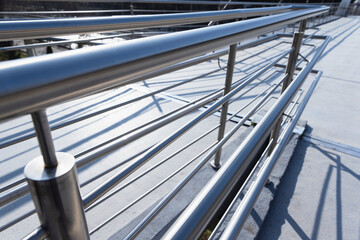
Stainless steel is another popular option known for its sleek appearance and resistance to corrosion. Its clean and polished surface often complements contemporary architectural designs.

Aluminum railings are valued for their lightweight properties and resistance to rust. This makes aluminum a practical option for both interior and exterior staircases.

Wrought iron is often used when decorative or ornamental railing designs are desired. This material allows intricate patterns and artistic shapes to be incorporated into the railing structure.

The choice of metal depends on the desired aesthetic, the environment where the railing will be installed, and the overall design concept of the building.

Design Styles for Metal Stairway Railings

Metal stairway railings can be designed in a wide range of styles that complement different architectural themes. In modern homes, minimalist metal railings are often chosen for their clean lines and understated elegance.

These designs frequently feature simple vertical bars or horizontal rods that maintain an open visual flow. The result is a staircase that feels light and contemporary.

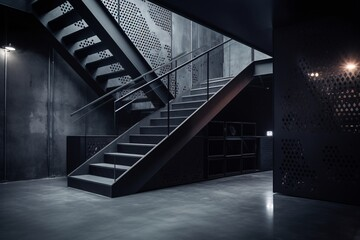
Industrial style railings are another popular design option. These railings often incorporate exposed metal structures with darker finishes that emphasize raw materials and structural elements.

For more traditional or decorative spaces, ornate metal railings can be crafted with intricate patterns and curved shapes. These designs add a sense of artistry and craftsmanship to the staircase.

Combining metal railings with other materials such as wood or glass can also create striking architectural contrasts. For example, a wooden handrail paired with metal balusters blends warmth with strength, while glass panels framed by metal railings provide transparency and modern sophistication.

These design possibilities allow metal stairway railings to adapt to many different architectural environments.

Safety and Structural Benefits of Metal Railings

Beyond aesthetics, metal stairway railings offer significant safety advantages. The strength of metal allows railings to withstand pressure and provide reliable support for individuals using the staircase.

Well designed railings help prevent falls by creating a stable barrier along the edges of the stairs. Handrails provide an additional point of contact that helps users maintain balance while moving between levels.

Metal railings are also capable of meeting strict safety requirements in both residential and commercial construction. Their structural properties make them suitable for installations where safety regulations require strong and dependable materials.

Another benefit is the long term reliability of metal. Unlike some materials that may warp or crack over time, metal railings retain their structural stability for many years with proper maintenance.

These qualities make metal railings an important safety feature in modern architectural design.

Maintenance and Longevity of Metal Stairway Railings

One of the advantages of metal railings is their relatively low maintenance requirements. Most metal surfaces can be kept clean through regular wiping or occasional washing.

Protective coatings and finishes are often applied to metal railings to enhance their durability. These finishes help prevent corrosion, scratches, and other forms of wear that may occur over time.

Stainless steel and aluminum railings are particularly resistant to rust and environmental damage, making them suitable for outdoor staircases as well as interior spaces.

Periodic inspection helps ensure that railings remain secure and free from damage. Tightening loose fasteners or addressing minor surface wear helps maintain both the safety and appearance of the railing.

With proper care, metal stairway railings can last for decades while maintaining their structural integrity and visual appeal.

The Architectural Impact of Stairway Metal Railings

In many buildings the staircase acts as a central visual feature that connects different areas of the interior. The design of the railing can significantly influence how the staircase contributes to the overall architectural character of the space.

Metal railings provide a balance between strength and visual elegance. Their ability to form clean lines and open structures allows designers to create staircases that feel spacious and modern.

The contrast between metal railings and surrounding materials such as wood, stone, or glass can create striking visual compositions. These contrasts draw attention to the staircase as a design centerpiece.

By combining safety, durability, and style, metal railings enhance both the function and aesthetic value of architectural stairways.

Conclusion

Architecture stairway metal railings play an important role in shaping both the safety and visual impact of a staircase. Their strength provides reliable support for everyday use, while their design flexibility allows them to complement a wide range of architectural styles.

From sleek modern interiors to decorative traditional spaces, metal railings offer durability and elegance that elevate the overall design of a staircase. Their ability to combine structural performance with artistic expression makes them a valuable element in architectural planning.

By choosing thoughtfully designed metal railings, architects and homeowners can transform a staircase into a striking feature that enhances both safety and aesthetic appeal within a building.
Metal Craft

How Much Do Custom Stairs and Railings Cost?

Custom Stairs and Railings

Custom Stairs and Railings add value to your home, adding beauty and security. Safety and accessibility features may require structural reinforcements or specialized designs, increasing the project cost.

Curved staircases require railings that perfectly follow their contour, a time-consuming process that raises project costs. Decorative or specialty fittings also elevate project costs.

Materials

As with any renovation project, the cost of materials determines much of the overall price. Whether you’re working with wood, metal, glass or another material, the choice you make will affect your final costs. A minimalist design with simple posts and clean finishes is budget-friendly, while adding details like balusters or a unique stain will raise the price.

A staircase’s shape and layout also impact cost. Standard straight staircases require less railing than U-shaped or curved designs, which need additional connectors and support columns. These extra components add to both the material and labor costs. Stair railing installation companies typically charge $50 to $150 per hour for professional installations. This covers the labor needed to ensure your new stair railing meets building codes and safety standards.

Choosing the best materials for your stair railing is a critical part of the design process. Each type of material offers different benefits, but all have a significant impact on the project’s final cost. Wood railings are versatile and budget-friendly, while wrought iron options add elegance and timeless beauty to your home. Glass stair railings add dramatic visual appeal to your interior, but they aren’t suitable for all types of stairs due to their weight and durability.

Once you’ve selected the ideal materials for your stair and railings, consider adding or removing other elements to personalize your look. Decorative handrail end caps and newel posts, for example, can elevate your design and add to the finished look. They’re a great way to add style to your staircase while protecting the railings from damage and debris.

Stair treads are another important component to consider for the overall look of your staircase. Wooden or composite stair treads provide durability and an attractive finish to your home. Alternatively, natural stones like marble or granite can add a sense of grandeur and luxury to your stairway. Stone treads are heavier than other materials, however, so they may require a more substantial supporting structure.

The style you choose for your custom stair and railings will greatly impact both the aesthetic and value of your home. Investing in quality materials and professional installation can help you build a stunning focal point that enhances your home’s value and appeal. With regular maintenance, you’ll enjoy a beautiful and functional addition that lasts for years to come.

Labor

Whether you are upgrading an existing staircase or creating a new one, labor costs drive much of your overall cost. Professional installation is essential to meet code and safety standards, and a quality job takes time. The number of hours a project requires is determined by the railing material, design complexity, and size. Some regional differences also affect costs, such as higher wages in urban areas.

The type of stairs and railing you choose impacts costs as well. Stairways with wide treads require more materials and longer rails than standard stairs. A spiral staircase adds extra complexity and labor, as does a curved design. Custom design features, lighting, or ADA accessibility options can add to the final cost as well. Additional site preparation and cleaning, or a demolition of existing structures, can also increase your budget.

Railings impact both safety and aesthetics, with choices ranging from basic metal balusters to premium glass systems. The latter add dramatic flair and visual weight, while wood stair railings have an appealing, classic look. The size and style of the staircase determines how many railing sections will be needed, as well as the connection points between them.

A stair railing should extend to the bottom of the stairs for safety, and be anchored securely. It should also meet a minimum height requirement to ensure the occupant feels safe and secure. The stair railing system must also connect to the handrail on each landing, making it a complex and time-consuming installation.

When comparing quotes, get a complete breakdown of the project to avoid surprises down the road. Ask contractors to include all estimated costs and fees, including tax, delivery charges, installation timeframes, and debris disposal. They should also provide detailed plans and a warranty for peace of mind. Other fees that you might not expect include design or architectural costs, a permit application fee, and a structural inspection to verify the integrity of your home’s stair structure. Investing in a custom stair upgrade is an excellent way to improve home value and meet accessibility standards. However, the upfront costs can be high, so it is essential to get multiple estimates from qualified professionals.

Design

Stair railings are the final brushstrokes of your staircase’s design narrative, establishing a visual identity that reflects both function and aesthetic. Modern railings prioritize safety and functionality while embracing the fluid lines of contemporary architecture. Customized options allow you to choose a look that matches your unique aesthetic.

The material you choose determines your stair railing cost, with wood and metal the most common choices. Popular wood species include poplar, red oak, and pine, which are easy to find and affordable. However, premium grades of wood like mahogany and cedar are more expensive. Metal stair railings are more expensive than wood, but they offer greater design flexibility with options that range from sleek and minimal to elaborate and decorative.

A curved staircase demands a bespoke railing that perfectly follows its contour, an intricate process that drives up installation costs. Additionally, a spiral staircase requires tight turns that require custom fittings to maintain structural integrity. These specialized features can add as much as 10% to the total project cost.

Whether you’re installing new stairs or replacing old railings, a well-executed replacement enhances your property’s value while improving its functionality. Modern, code-compliant stair railings are attractive to prospective buyers and make your home or business more accessible for seniors, families with young children, or anyone with limited mobility.

In addition to boosting property value, modern stair railings offer an excellent return on investment when you sell your home or business. As the first thing potential buyers see, these upgrades set your property apart from others on the market and increase its overall appeal.

Stair railing installation is a major renovation that requires the help of skilled carpenters, stair specialists, and general contractors. These experts are trained to safely and efficiently handle the project, ensuring its quality and safety. Stair railings also typically come with warranties, adding another layer of security to your investment. Depending on the type of railing and installer, these warranties can cover materials, labor, or even accidental damage. Some companies may also offer additional services to ensure customer satisfaction, including maintenance, repairs, and cleaning.

Installation

Staircases connect floors and define how a room feels, and the right staircase design can transform an ordinary space into a stunning focal point. While standard stock stairways are available in many styles, custom designs allow homeowners to personalize their homes and create a bespoke element that is truly one-of-a-kind. The cost of a custom staircase largely depends on the complexity of the project, the materials chosen, and the installation process. If a staircase needs to be built in an existing home, or if the old stair parts need to be removed and replaced, this can increase the overall cost of the staircase.

Stair railings frame staircases and help to merge safety with style. Whether they’re made of wood, metal, or glass, railings offer a variety of color and material options to suit any interior design aesthetic. For example, minimalist metal railings accentuate contemporary styling, while handrails with intricate details and ornate elements lend themselves to a more traditional approach.

Choosing the right handrails is essential to ensure the safety and comfort of people using your staircase. A quality handrail should be a continuous line that ties the various elements of your staircase together, while providing a stable grip and adding an aesthetic complement to the space. In addition to providing stability and visual appeal, a well-designed handrail can help to reduce gaps between steps to prevent injuries.

While installing a new staircase or replacing an existing railing system is a major investment, investing in the best quality stair components and craftsmanship can add value to your property. Regular maintenance can also extend the life of your stairs and keep them looking their best.

A staircase is more than just a means of getting from one level to another; it’s an integral part of the home’s architectural style and a key feature that enhances its curb appeal. A beautiful staircase and handrails are the perfect way to make a lasting impression on visitors and guests, turning your home into a showplace that stands out from the rest. With a little planning and budgeting, you can create a staircase that will take your home’s design to the next level.