For businesses, uninterrupted electrical service is not just a convenience—it is critical to operations, safety, and profitability. Power outages can halt production, disrupt office work, compromise data integrity, and affect customer service. In certain commercial settings, even short-term outages can lead to significant financial losses and operational setbacks. Understanding how to prevent power outages and ensure commercial electrical reliability is essential for business owners, facility managers, and maintenance teams alike. By implementing proactive strategies, maintaining electrical systems, and planning for contingencies, commercial properties can minimize downtime and maintain consistent, safe operations.
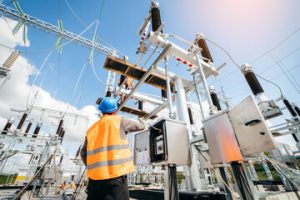
A primary factor in preventing power outages is regular maintenance of Commercial Electrical Service systems. Over time, wiring, breakers, and panels can degrade due to wear, environmental conditions, or overloading. Neglecting maintenance increases the risk of equipment failure and system interruptions. Scheduled inspections by licensed electricians can identify frayed wires, loose connections, or outdated panels that may contribute to unexpected outages. Maintenance routines should also include testing circuit breakers, evaluating load distribution, and ensuring that surge protection devices are functional. Proactive upkeep reduces the likelihood of both minor disruptions and catastrophic electrical failures.
One of the most common causes of commercial power outages is overloaded circuits. Commercial properties often operate a variety of high-demand equipment, including HVAC systems, computers, lighting, and specialized machinery. If circuits are not designed to handle peak loads, they can overheat and trip breakers, leading to interruptions. Proper load management involves evaluating total energy consumption, distributing devices across circuits strategically, and upgrading panels or circuits when necessary. Businesses that monitor energy use and adjust loads proactively experience fewer outages and reduced risk of fire hazards caused by overheated wiring.
Redundant systems and backup power solutions are also critical for ensuring electrical reliability in commercial settings. Generators, uninterruptible power supplies (UPS), and battery backups can provide temporary power during outages, allowing operations to continue and preventing data loss. For businesses that rely on continuous service, such as medical offices, data centers, or manufacturing facilities, these backup systems are indispensable. Incorporating redundancy into electrical planning ensures that critical equipment remains operational even during unexpected utility failures or storms.
Several enumerated best practices can help commercial properties prevent power outages and maintain electrical reliability:
- Schedule Regular Inspections and Maintenance – Identify worn wiring, loose connections, and outdated panels before they cause interruptions.
- Manage Circuit Loads Effectively – Avoid overloading outlets and breakers by distributing devices evenly across circuits.
- Invest in Backup Power Solutions – Generators and UPS systems provide temporary power to critical equipment.
- Install Surge Protection – Protect devices and circuits from voltage spikes caused by lightning or utility fluctuations.
- Upgrade Electrical Infrastructure as Needed – Replace aging panels, wiring, and components to support modern energy demands.
Environmental factors, such as storms, high winds, or extreme temperatures, also influence commercial electrical reliability. Lightning strikes, fallen trees, or utility line damage can trigger widespread outages, often beyond the control of the property owner. While businesses cannot prevent external events, installing surge protection, grounding systems, and weatherproof equipment minimizes the impact of environmental hazards. Preparing for seasonal challenges, such as winter freezes or summer heat waves, ensures that electrical systems can handle increased demands without failure.
Technology plays a significant role in monitoring and maintaining commercial electrical systems. Modern energy management systems allow facility managers to track consumption patterns, detect anomalies, and respond to potential issues before they lead to outages. Smart sensors, automated alerts, and real-time monitoring provide insights into circuit performance, equipment status, and energy efficiency. Implementing technology-driven solutions enhances operational reliability and supports proactive maintenance practices that reduce the risk of unexpected power interruptions.
Electrical infrastructure upgrades are often necessary to maintain reliability in older commercial buildings. Aging wiring, outdated panels, and insufficient circuit capacity can struggle to support contemporary energy loads, resulting in frequent outages. Upgrading to modern panels, installing additional circuits, and replacing worn wiring improve system capacity and safety. Additionally, adhering to current electrical codes ensures that installations meet safety standards and reduce the risk of fire or equipment damage caused by overloaded circuits.
Training and awareness among staff are important factors in maintaining commercial electrical reliability. Employees should be familiar with basic electrical safety, understand the importance of not overloading outlets, and know how to respond in the event of a power outage. In facilities with high-powered equipment, training on proper shutdown procedures and load management helps prevent strain on circuits and reduces downtime during unplanned disruptions. Awareness programs complement technical solutions and contribute to a safer and more resilient electrical system.
Several specific strategies can improve power reliability in commercial properties:
- Conduct Load Analysis – Evaluate total energy consumption and identify high-demand areas that may need additional circuits.
- Implement Preventive Maintenance Programs – Schedule inspections and service routines to catch issues before they cause outages.
- Integrate Surge Protection Devices – Protect sensitive electronics from voltage spikes and surges that can trigger shutdowns.
- Use Redundant Power Systems for Critical Equipment – Backup generators or UPS systems ensure continuity for essential devices.
- Monitor Electrical Performance Continuously – Smart sensors and energy management systems help detect anomalies early.
Communication with utility providers is another vital component in preventing commercial power outages. Coordinating with the local electricity supplier allows property managers to understand potential disruptions, such as maintenance schedules, storms, or planned load reductions. Advanced notice of utility activity enables businesses to prepare, shift energy usage, or engage backup systems to maintain continuity. Maintaining a strong relationship with utility providers can also expedite response times in emergencies, reducing downtime and mitigating financial losses.
Electrical panel accessibility and labeling are often overlooked but critical factors for outage prevention and rapid response. Clearly labeled circuits and accessible panels allow staff or electricians to isolate issues quickly, minimizing disruption and preventing further damage. In commercial settings with complex electrical layouts, organized panels and accurate documentation are essential for efficient maintenance, troubleshooting, and emergency response. Regularly updating labels and documentation ensures that staff can react effectively during unplanned electrical events.
Several signs indicate that a commercial property may require attention to improve electrical reliability:
- Frequent Tripping of Breakers or Blown Fuses – Indicates overloaded circuits or worn components.
- Flickering Lights or Dimming Power – Suggests voltage fluctuations that can strain equipment.
- Slow or Intermittent Operation of Electrical Equipment – May result from inadequate circuit capacity or degraded wiring.
- Aging Electrical Panels and Wiring – Older infrastructure may not support modern energy demands.
- High Maintenance Costs or Unexpected Repairs – Recurrent electrical issues often point to systemic reliability problems.
Regular testing of emergency power systems is essential to ensure readiness. Generators, UPS systems, and battery backups should be evaluated under load conditions to verify that they can sustain critical operations during an outage. Testing helps identify issues such as low fuel levels, battery degradation, or mechanical failures, allowing for timely maintenance or replacement. Routine testing is a cornerstone of commercial electrical reliability planning, reducing the risk of unexpected failures during power interruptions.
Energy efficiency improvements can also enhance electrical reliability. Overloaded circuits and excessive energy consumption are major contributors to outages. Implementing energy-efficient lighting, appliances, and HVAC systems reduces the electrical load, minimizes peak demand, and lowers the chance of circuit overloading. Combining energy efficiency with smart monitoring systems allows commercial properties to optimize power usage and prevent unnecessary strain on the electrical infrastructure.
In conclusion, preventing power outages in commercial properties requires a combination of proactive maintenance, system upgrades, smart monitoring, and preparedness strategies. Frequent breaker trips, flickering lights, aging wiring, and high-demand equipment are all indicators that a property may need attention to improve electrical reliability. Best practices include conducting regular inspections, managing circuit loads, installing surge protection, integrating backup power systems, and training staff in electrical safety. By implementing these measures, commercial property owners and managers can minimize downtime, protect valuable equipment, ensure employee and customer safety, and maintain consistent operations. A well-maintained and thoughtfully designed electrical system is not only a safeguard against outages but also a foundation for efficiency, productivity, and long-term business success.