It often begins with something subtle. A few ants along the kitchen counter. A scratching sound in the attic at night. A sudden appearance of droppings in a cabinet or the unsettling sight of a cockroach when the lights turn on. At first, it may seem minor, but pest problems rarely resolve themselves.
In fact, they tend to grow quickly and quietly. Understanding Pest Control Port St Lucie process can help homeowners and businesses take informed action before small issues become major infestations.
Understanding the Importance of a Structured Pest Control Process
Effective pest control is not about spraying chemicals and hoping for the best. It is a structured, strategic process designed to identify the source of the problem, eliminate active pests, and prevent future infestations. Each step plays a critical role in ensuring long term success.
Pests such as rodents, insects, and termites are highly adaptable. They seek shelter, food, and water, often finding ideal conditions inside buildings. Without a thorough and methodical approach, treatments may only address surface level symptoms while leaving nests or colonies intact.
A professional pest control process considers the type of pest, the severity of the infestation, and the unique characteristics of the property. By combining inspection, treatment, and prevention, technicians create a comprehensive plan tailored to each situation.
The ultimate goal is not only to remove pests but also to restore a safe and healthy environment for occupants.
Step One: Detailed Inspection and Assessment
The pest control process begins with a thorough inspection. This step is crucial because identifying the specific pest species and understanding the scope of the infestation determines the most effective treatment method.
During the inspection, technicians examine both interior and exterior areas. They look for signs such as droppings, nests, damaged wood, grease marks, and entry points. Moisture issues, cracks in foundations, and gaps around doors and windows are also evaluated.
Different pests leave different clues. Termites may create mud tubes or hollow sounding wood. Rodents often leave gnaw marks and droppings. Ants follow visible trails, while cockroaches hide in dark, moist areas. Identifying these signs accurately ensures that the treatment plan addresses the correct problem.
The assessment phase also includes evaluating environmental factors that attract pests. Poor sanitation, standing water, and clutter can contribute to infestations. By identifying these conditions early, technicians can recommend corrective measures alongside treatment.
Step Two: Customized Treatment Plan
Once the inspection is complete, a customized treatment plan is developed. Not all infestations are the same, and different pests require different strategies. A targeted approach increases effectiveness and reduces unnecessary exposure to treatments.
For insect infestations, treatment may involve carefully applied solutions in cracks, crevices, and nesting sites. Baiting systems are often used for ants and certain types of cockroaches. These systems allow pests to carry treatment back to their colonies, eliminating the source.
Rodent control often includes traps, bait stations, and exclusion techniques to prevent reentry. Simply removing visible rodents without addressing access points can lead to recurring problems.
Termite treatment may involve soil applications or specialized barrier systems designed to protect the structure. Because termite damage can occur silently over time, precise application is essential.
Throughout this stage, safety remains a priority. Professional pest control methods are selected and applied according to strict guidelines to protect residents, pets, and the surrounding environment.
Step Three: Implementation and Monitoring
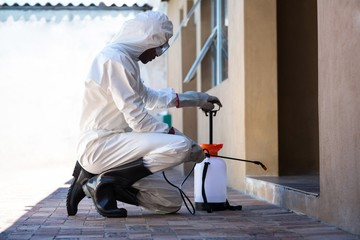
After the treatment plan is approved, the implementation phase begins. This stage involves applying the chosen methods and ensuring that all targeted areas are addressed.
Technicians carefully treat identified hotspots and entry points. In some cases, multiple visits may be required to fully eliminate the infestation. Certain pests, such as bed bugs or termites, may require follow up treatments to ensure complete eradication.
Monitoring is an essential component of the pest control process. Bait stations and traps are checked regularly to evaluate effectiveness. Ongoing observation helps confirm that pest activity is declining and that no new issues have developed.
Clear communication between technicians and property owners is important during this phase. Residents may receive guidance on temporary precautions or preparation steps to support the treatment’s success.
Patience is sometimes necessary, as some infestations require time to fully resolve. However, consistent monitoring ensures progress and allows adjustments if needed.
Step Four: Prevention and Exclusion
Eliminating active pests is only part of the solution. Long term success depends on preventing future infestations. Prevention and exclusion strategies are critical steps in the pest control process.
Exclusion involves sealing cracks, gaps, and openings that pests use to enter. This may include repairing damaged screens, sealing foundation cracks, and installing door sweeps. Blocking access points reduces the likelihood of reentry.
Addressing environmental conditions also plays a significant role. Removing food sources, fixing leaks, and improving ventilation make the property less attractive to pests. Proper waste management and regular cleaning contribute to sustained protection.
Outdoor maintenance supports prevention as well. Trimming vegetation away from structures and eliminating standing water discourages nesting and breeding.
Routine inspections help detect early signs of activity before they escalate. Scheduling periodic visits ensures continued vigilance and reinforces protective measures.
The Role of Professional Expertise in Pest Control
While some minor pest issues may be addressed with store bought products, professional pest control offers several advantages. Trained technicians understand pest behavior, life cycles, and effective treatment techniques.
Misidentifying a pest can lead to ineffective treatment and prolonged infestation. Professional assessment ensures accurate identification and targeted solutions.
Advanced tools and products used by professionals are often more effective than over the counter options. In addition, technicians are trained to apply treatments safely and responsibly.
Professional pest control also provides peace of mind. Knowing that experts are handling the problem allows property owners to focus on daily life without constant worry.
Long term partnerships with pest control providers support ongoing protection and rapid response to new concerns.
Health and Safety Considerations
Pest infestations can pose significant health and safety risks. Rodents and insects carry bacteria that contaminate surfaces and food. Allergens from cockroaches and rodents can trigger respiratory issues.
Structural damage caused by termites or rodents can compromise safety. Addressing infestations promptly protects both the building and its occupants.
The pest control process prioritizes safe application methods and minimizes exposure to residents. Clear instructions ensure that precautions are followed during treatment.
Maintaining a pest free environment contributes to overall well being and comfort.
Conclusion: A Strategic Approach to Lasting Pest Protection
The pest control process is a structured and strategic approach to eliminating infestations and preventing future problems. From detailed inspection and customized treatment to ongoing monitoring and prevention, each step plays a vital role in achieving lasting results.
Understanding how the process works empowers property owners to take proactive action. By partnering with skilled professionals and implementing preventative measures, homes and businesses can remain safe, clean, and protected. Effective pest control is not just about removing unwanted intruders. It is about creating a secure environment where comfort and peace of mind thrive.